
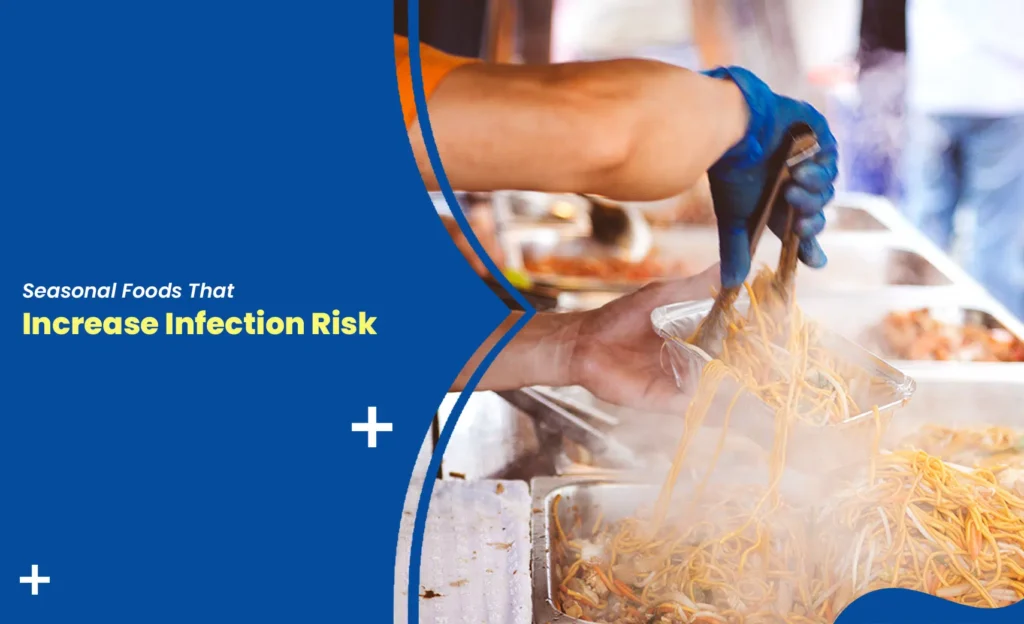
I was walking through the local farmer’s market last Tuesday-the kind where the air smells like damp earth and overpriced eucalyptus-and I noticed how everyone was diving headfirst into the bins of unwashed kale and heirloom strawberries. It’s that time of year, right? When the seasons shift, our plates start looking like a watercolor painting. But here’s the thing that keeps me up at night as a health writer: we talk a lot about “superfoods,” but we rarely talk about the hitchhikers they bring along.
It’s a bit of a buzzkill, I know. You want to enjoy your spring radishes or your autumn cider without thinking about microscopic stowaways. But nature isn’t sterile. It’s messy. And sometimes, the very foods we celebrate for being “fresh from the earth” are the ones that increase our risk of parasitic or bacterial infections.
The Romance of the “Raw”
We’ve developed this collective obsession with anything raw, organic, and untouched. And look, I get it. I’m the first person to advocate for avoiding over-processed junk that’s more plastic than protein. But there’s a shadow side to the farm-to-table movement. When we eat seasonally, we’re often eating foods that haven’t been through the industrial “scrubbing” that, while soul-crushing for flavor, actually kills off the nasties.
Take watercress, for example. It’s a darling of the spring season in the UK and parts of the US. It’s peppery, bright, and packed with vitamins. But if that watercress was grown in a bed near livestock runoff? You’re looking at a prime delivery system for liver flukes. It sounds like something out of a medieval medical text, doesn’t it? But it’s a real, modern-day risk.
When things go south-and by south, I mean a full-blown parasitic infection-doctors often turn to specific treatments. You might find yourself prescribed an Albendazole Tablet to clear out the guests you didn’t invite to dinner. It’s one of those “gold standard” medications that works by basically starving the parasites of the glucose they need to survive. It’s effective, but honestly, I’d rather just wash my greens better and avoid the whole ordeal.
Summer’s Hidden Costs
Then comes summer. The season of stone fruits, berries, and outdoor grilling. This is where things get tricky with cross-contamination. You’re at a BBQ, someone’s cutting a watermelon on the same board they just used for raw chicken, or maybe those raspberries were irrigated with water that wasn’t exactly “spring fresh.”
I remember a story from a colleague who spent a summer in the Pacific Northwest. She was all about the wild foraging-blackberries right off the bush. It feels so primal, so “one with nature,” until you realize that local wildlife might have left behind eggs that don’t just wash off with a quick splash of bottled water.
If you end up with something like ascariasis (roundworms) from contaminated soil or fruit, the intervention is usually straightforward but unpleasant. Usually, a single Albendazole Tablet or a short course is enough to handle the systemic issue, but the psychological toll of knowing you have worms is… well, it’s a lot to process over your morning granola.
The Autumnal Harvest and Soil Risks
Autumn is my favorite season, hands down. The root vegetables come out-carrots with the dirt still on them, parsnips, beets. There’s something so grounding about eating things that grew in the dark. But the soil is a living, breathing ecosystem. It’s full of fungi, bacteria, and, yes, parasites.
If you’re a gardener, you know the drill. You wear gloves, or you should. But do we apply that same rigor to the kitchen? Most people give a carrot a half-hearted rinse and call it a day. But those little crevices in the skin can harbor eggs that stay dormant for weeks.
I’ve talked to infectious disease experts who see a spike in certain gastrointestinal issues right around the peak of harvest season. It’s not that the food is “bad”-it’s that our preparation hasn’t kept pace with the “wildness” of our ingredients. If a diagnosis confirms a parasitic infection from unwashed root veg, that Albendazole Tablet becomes your best friend. It’s a broad-spectrum anthelmintic, meaning it’s the heavy hitter for various types of internal “intruders.”
The “Clean” Meat Myth
We can’t talk about seasonal infections without talking about meat. Think about game season or those summer hog roasts. When we move away from the highly regulated, often bleach-washed meat of big supermarkets toward local, seasonal kills, the risk of things like trichinosis goes up.
Is it tastier? Usually. Is it riskier? Absolutely.
I’m not saying we should all become vegans and eat nothing but pasteurized mush. I’m just saying that our ancestors used to cook the living daylights out of meat for a reason. This modern trend of “seared but basically raw” wild game is a playground for parasites. If you’re dealing with a tissue-based infection like neurocysticercosis (which can happen from certain pork-related parasites), the treatment protocol is rigorous. You’re looking at a carefully monitored cycle involving the Albendazole Tablet to ensure the larvae are actually neutralized. It’s not just a “pop a pill and forget it” situation; it’s serious medicine for a serious oversight in the kitchen.
Why Do We Ignore the Risks?
I think there’s a bit of cognitive dissonance here. We want to believe that “natural” equals “safe.” We’ve been conditioned to fear chemicals and preservatives-which, fair enough-but we’ve forgotten that nature is actively trying to recycle us.
I’ve caught myself doing it too. I’ll buy a bunch of “organic” spinach and think, Oh, I don’t need to wash this as thoroughly because there are no pesticides. But wait. No pesticides actually means there’s a higher chance of insect and animal interaction. It’s a trade-off. You’re trading synthetic chemicals for biological entities.
If you do fall ill, the medical response is thankfully robust. Most GPs will run a stool sample, find the culprit, and hand over a script. An Albendazole Tablet works by inhibiting the tubulin polymerization in the parasite. In plain English? It breaks down the parasite’s internal structure so it can’t reproduce or stay attached to your vitals. It’s a fascinating bit of biochemistry, even if the reason you need it is a bit cringeworthy.
The Winter Thaw and Lingering Larvae
Even winter isn’t a safe haven. Think about imported seasonal fruits from warmer climates. When it’s snowing in New York or London, we’re eating grapes from South America or melons from Mexico. The “season” is just happening somewhere else.
The transit chain for these foods is long. Every hand that touches that fruit, every container it sits in, is a potential point of infection. We often see outbreaks of Cyclospora in the winter months linked to imported berries. While a standard Albendazole Tablet is usually the go-to for worms, these protozoan infections sometimes require different cocktails. But for the vast majority of “hitchhiking” helminths that come in on imported produce, that same tablet remains the frontline defense.
How to Stay Safe (Without Living in a Bubble)
I don’t want you to finish this and decide to never eat a salad again. That’s not the point. The point is awareness.
Heat is your friend. Most parasites can’t survive temperatures above 160°F (70°C). If you’re worried about a specific seasonal meat, cook it through.
The “Veggies Wash” isn’t a scam. Use a bit of vinegar or a dedicated produce wash. It helps break the surface tension so eggs and larvae actually slide off instead of clinging to the leaves.
Peel it. If it grows in the ground and it’s peak harvest season, maybe just peel the carrot. The skin is where the nutrients are, sure, but it’s also where the soil-borne risks live.
If you happen to be traveling-maybe hitting a tropical “seasonal” destination-be extra wary. This is where the Albendazole Tablet is often packed in travel kits as a “just in case” measure for those who might be far from a high-end pharmacy. It’s better to have it and not need it, though you should always consult a doctor before self-treating.
A Personal Reflection
A few years ago, I got a “stomach bug” after a particularly lovely meal at a rustic farmstead. I assumed it was just bad luck or a bit of grease. It wasn’t until a week later, when the fatigue set in, that I realized it was something more. My doctor was incredibly nonchalant about it. “Oh, it happens all the time this time of year,” she said.
She prescribed an Albendazole Tablet, told me to stay hydrated, and that was that. Within forty-eight hours, I felt like a different person. It made me realize how much we take for granted. We live in this bubble of modern convenience where we think we’ve conquered the “wild,” but the wild is right there on our dinner plates.
The Bottom Line
Eating seasonally is one of the best things you can do for your health and the planet. It supports local farmers, ensures you’re getting peak nutrients, and honestly, a tomato in August just tastes better than one in January.
But don’t let the aesthetic of the “natural life” blind you to basic hygiene. Parasites don’t care about your Instagram-worthy salad. They just want a host. Whether it’s through a simple Albendazole Tablet or a more complex medical regimen, treating these infections is possible, but prevention is so much easier.
So, go ahead. Buy the leeks. Grab the wild ramps. Enjoy the venison. Just remember that the closer you are to the source, the closer you are to the system. Wash your hands, scrub your roots, and maybe don’t kiss the farm animals-no matter how cute they look in your vacation photos.
The world is full of microscopic wonders, but not all of them belong inside you. Stay curious, stay hungry, but for heaven’s sake, stay clean.
FAQs
1. I’m pretty sure I washed my kale, but I’m still paranoid. How do I actually know if I’ve picked something up?
Honestly, it’s rarely like the movies. You don’t usually wake up with a giant worm waving hello. It’s much more subtle-and that’s the annoying part. You might just feel “off” for a few weeks. Think persistent bloating that doesn’t go away with ginger tea, or a weirdly itchy nose or bottom (yeah, I said it). If you’ve got unexplained fatigue or you’re losing weight despite eating like a horse, it’s worth a trip to the GP. They’ll likely do a quick check and, if needed, a single Albendazole Tablet usually sorts out the most common culprits.
2. Is it true that “organic” actually means “more parasites”?
It’s a bit of a double-edged sword, isn’t it? Organic is great because you aren’t ingesting synthetic pesticides, which is a huge win for your long-term health. But, since organic farmers use natural fertilizers-like manure-and avoid harsh chemicals, the biological risk is naturally a bit higher. It doesn’t mean organic is “bad”; it just means you can’t be lazy with the scrub brush. If you’re eating organic root veg, treat that dirt like it’s a biohazard until it’s washed away.
3. Can I just buy an Albendazole Tablet over the counter if I’m worried?
This depends entirely on where you are. In the UK, some treatments for specific pinworms are over-the-counter, but for a proper Albendazole Tablet, you usually need a prescription in the US and UK. And honestly? You want that. You don’t want to be self-diagnosing a parasitic infection based on a Google search. A doctor needs to make sure the medication matches the specific “guest” you’ve picked up, otherwise, you’re just stressed and still infected.
4. My grandma used to say pumpkin seeds kill worms-is there any “natural” truth to that?
I love a good folk remedy, and there’s actually some cool science behind this one. Pumpkin seeds contain cucurbitacin, which can paralyze certain parasites. But-and this is a big “but”-paralyzing them isn’t always the same as clearing an infection. If you have a real systemic issue, a handful of seeds isn’t going to cut it. You need the heavy hitters like an Albendazole Tablet to actually finish the job. Use the seeds as a snack, but use the pharmacy for the cure.
5. Should I stop eating raw seasonal salads altogether during “high risk” months?
God, no. Life is too short to give up a good summer salad. The risk is there, but it’s manageable. Just be smart. If there’s been heavy flooding in your area (which washes all sorts of nasties into the fields), maybe cook your greens for a week or two. If you’re at a high-end restaurant, they’re usually obsessed with food safety. If you’re at a roadside stand in the middle of nowhere? Maybe just peel the fruit. Balance is everything.