
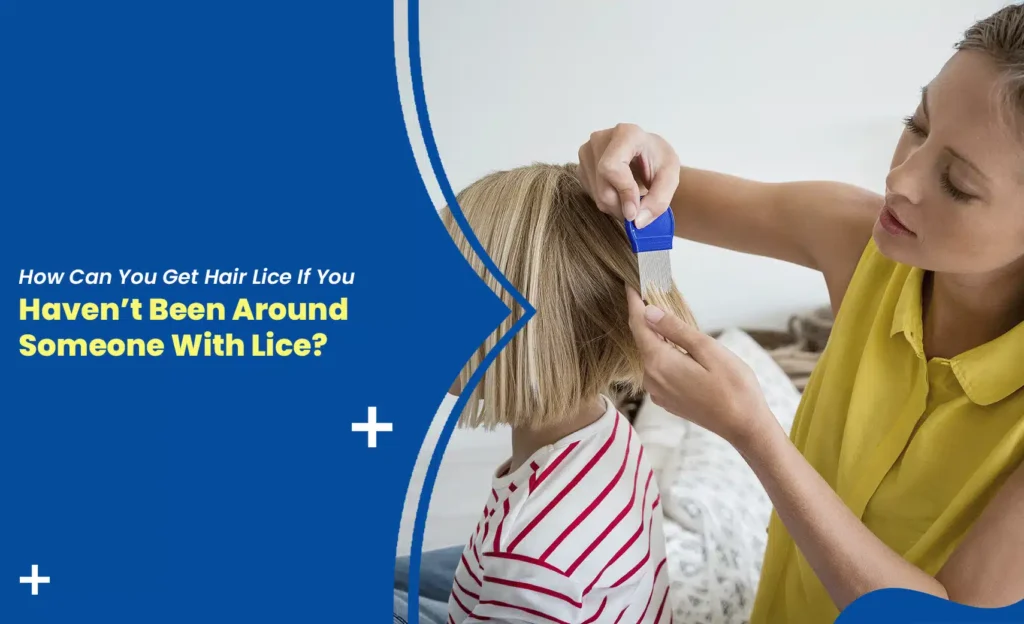
Hair lice is one of those, really confusing moments a parent or adult can suddenly get hit with: you or your child has this itchy scalp, a quick look shows these tiny bugs or little white specks stuck along the hair shaft, and then you just sit there like… wait, when did this happen? You don’t remember being anywhere near someone with this. If that feels familiar, you’re not making it up, and you’re also not alone. Head lice spread through super close head contact, but the story is a bit messier, and if you get the real pattern, you can save yourself a ton of stress.
The Lice Myth You Need to Stop Believing
Most folks imagine head lice as something that sort of “jumps” from one head to another, like during a hug or a shared pillow at a sleepover. That part is usually true in the majority of situations, sure, but it’s not the entire picture. Hair lice are wingless insects; they hang out on the human scalp, they feed on tiny amounts of blood, and they lay eggs (called nits) right at the base of hair strands near the skin. They can’t fly, and they can’t jump either, which catches many people off guard, but they do crawl fast and well. That crawling ability is basically the reason they can move between people in ways you wouldn’t predict. And honestly, an infestation doesn’t always come from one dramatic moment; it can be this stack of small, almost invisible chances that just keep adding up.
Sneaky Ways Lice Sneak Into Your Life
Since lice don’t fly or jump, the most common route is still direct head-to-head contact, especially with kids who play close together, hug, or do those photo moments where heads touch. But hair lice are kind of opportunists, and they can live for a short time away from the scalp, which is how indirect spread happens. Now you think how hair lice spreads. Things like shared combs and brushes, hair ties, hats, helmets, and headphones can carry a stray louse from one person to the next. And then there are the coat racks, cubbies, and lockers where jackets and hats get piled together. That mix is basically the setup for this kind of transfer, especially in schools and daycare. Even “soft” items like couches, car headrests, or pillows can hold onto a louse temporarily if someone with active lice has just rested their head there. That’s why a person can suddenly end up with lice and still feel totally sure they never stood near an infested person… because the contact was there, just not in the obvious way.
What’s Actually Happening on Your Scalp
After lice get established, their life cycle moves quickly. Adult lice place eggs that are cemented tightly to individual hair strands, typically within about a quarter inch of the scalp, where the warmth helps the eggs develop. Hair lice eggs are tiny and oval, and people often mistake them for dandruff, except nits don’t simply brush out because they’re attached so firmly. As the number of lice grows, scalp itching becomes noticeable, and that itching is tied to an allergic reaction to saliva the hair lice leave behind while they feed. Some people feel it within days, others don’t react until weeks later, which is part of why it can feel like the source appeared out of nowhere. A prickly or tickling feeling, small red bumps around the ears or the nape of the neck, and even visible movement in the hair are all strong clues that make checking worth it.
Tracing the Trail: How Lice Get Into Hair
When you try to figure out how lice get into hair, it really comes back to closeness and opportunity. Because they rely on crawling, hair lice need either ongoing contact between two heads or a shared object that bridges the gap. Places with group activity (classrooms, sports practices, dance classes, and summer camps) tend to be common hotspots, mostly because there’s repeated close contact plus frequent use or sharing of personal items. Long hair can also make transfer more likely, not because hair lice prefer it somehow, but because there’s more hair surface for hair-to-hair contact, and that makes it easier for a louse to grab hold during brief moments. None of this means the environment is dirty or that anyone “did something wrong.” Lice aren’t a hygiene badge, and they can affect anyone, even people who wash their hair often.
Causes Of Hair Lice: Nobody Talks About
When people look for the “cause” of lice in hair, they often want one neat explanation, but usually it’s a mix of everyday factors working together. Crowded classroom or living spaces, the habit of sharing grooming items, stacking hats and jackets close, and the basic fact that kids are more physically affectionate naturally. These things all raise the odds. Lice transmission is also more common when school restarts, because kids spend long hours together indoors. In families, hair lice can also pass along through close sleeping arrangements or shared bedding, especially if pillows or blankets get traded around, even if there wasn’t obvious head-to-head contact. Realizing those normal patterns is often the missing piece that explains why an infestation seems to show up “randomly.”
Breaking the Cycle, Getting Rid of Lice for Good
If you’re asking how to get rid of hair lice once they’ve taken hold, the good news is you have effective choices. These range from careful manual removal to medicated treatments. Fine-tooth combing, done methodically and repeated across one to two weeks, can remove both live lice and nits before they have time to hatch. Over-the-counter shampoos containing pyrethrin or permethrin are often used first for lice treatment. Still, some people run into resistance, and then a different approach is needed. In those situations, healthcare providers may suggest an oral option like Iversian 12 mg, which is an ivermectin-based tablet that works systemically. It targets lice after they feed on treated blood by interfering with their nervous system. Vacuuming furniture and car seats also helps because, yes, sometimes they can hitch a ride. In this situation, consistency is better than intensity; missing even a few bits can let the cycle restart, usually within a week or two, or so it feels.
Summing Up
Lice infestations can look and feel scary, but they are common, treatable, and often not a sign of anything you did wrong. The more you learn how hair lice insects move around and stay alive, the easier it becomes to spot trouble early, treat it properly, and keep it from coming back. Oral treatments like Iversian 12 mg can mess with the whole body, not only the scalp, so they really should be used only when a healthcare provider is watching, with the dose worked out from body weight and a solid sense of what other medications or health issues might be going on. At the same time, washing bedding, hats, and recently worn clothing in hot water can help stop any stray lice from setting up again.
Frequently Asked Questions
1. Can you get hair lice from a hat or headphones even if you never touched the person who owns them?
Yes. Hair lice can live for a short time off the scalp, so passing around hats, headphones, or hair accessories soon after someone with active lice used them can still spread them. This can happen even if there was no direct contact at all.
2. How long can lice survive away from a human head?
Adult lice usually last only 24 to 48 hours without feeding. Still, that is long enough for them to move to another person through a shared personal item, or even a piece of furniture, before they die.
3. Do lice prefer dirty hair over clean hair?
Lice do not prefer clean hair. The reason is hygiene.
4. How can you tell the difference between nits and dandruff?
Nits are glued pretty firmly to the hair shaft near the scalp. They don’t fall off like flakes do, even when you brush. Dandruff usually sits loose on the hair and scalp, and it comes away with minimal effort.
5. Is oral treatment like Iversian 12 mg safe for everyone?
Oral ivermectin-based options shouldn’t be taken by everyone. They should only be used with a healthcare provider’s guidance. The reason is dosing depends on body weight and on existing health conditions, and they are typically kept for situations where topical treatments haven’t worked enough.