
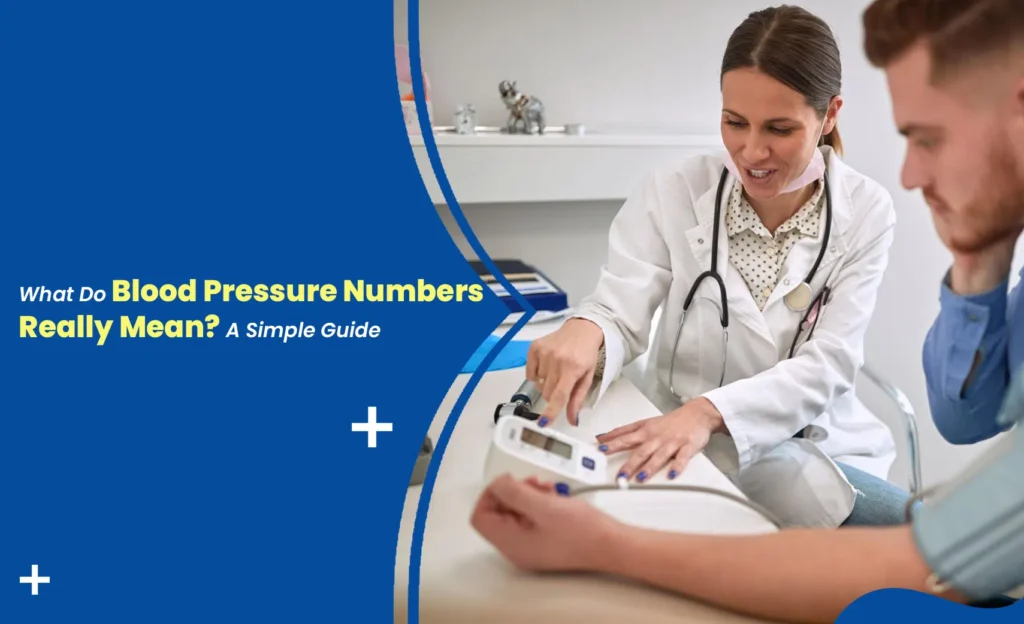
You have probably seen those two numbers on a cuff readout and kind of nodded along, but like… what do they even mean? Your blood pressure is one of the most handy clues about how your body is doing, and it can drift up or down for years without you really noticing. This blog will tell you what the ranges suggest and show how daily choices and modern medicines sort of team up so your heart stays protected.
Decoding the Two Numbers
Every reading comes with a top number and a bottom number. This is called systolic pressure, which is the force of blood pushing against your artery walls when your heart beats. The bottom number, diastolic pressure, is that pressure when your heart relaxes between beats. So a reading like 120/80 mmHg gets said as “120 over 80,” and yes, both numbers count in the real world.
Healthcare providers often treat anything under 120/80 as the normal BP range. But once the top number lands between 120 and 129 while the bottom stays below 80, it’s labeled elevated. Stage 1 hypertension kicks in at 130/80, and stage 2 starts at 140/90. If you see a reading above 180/120, that’s called a hypertensive crisis, and if it shows up with chest pain, shortness of breath, a severe headache, or vision changes. Then you really should get emergency care; no waiting around. Remembering these cutoffs gives you a practical map of the “normal” area and where your own numbers sit.
When the Numbers Climb
High BP gets called the silent condition because it rarely gives clear symptoms until there’s already damage happening. Over time, that ongoing extra pressure makes arteries stiffer, pushes the heart health to work harder, and can injure delicate organs like the kidneys, eyes, and brain. That is why consistently high readings raise cardiovascular risk, including heart attack, stroke, heart failure, and kidney disease. Age matters, family history matters too, and so do things like excess weight, salt-heavy meals, not moving much, heavy drinking, smoking, chronic stress, and poor sleep.
When the Numbers Drop Too Low
Low BP is real too. It’s usually defined as below 90/60, and it’s not always automatically a problem. Some healthy, fit people run naturally on the lower side. But if low blood pressure comes with dizziness, fainting, blurred vision, unusual tiredness, or nausea, then it deserves attention. Dehydration, blood loss, certain heart conditions, and even some medications can cause it. So your healthcare provider looks at the whole picture, and medication doses get adjusted carefully based on how you actually respond.
Why Home Readings Matter
A single clinic reading can be a little misleading. Nerves, rushing in, or even a cup of coffee can nudge numbers higher. This is why regular blood pressure checks at home can be so helpful. A validated upper arm cuff often gives a more accurate sense of how your body behaves day to day, and it helps your healthcare provider judge whether treatment is working.
For better accuracy, sit quietly for five minutes first, keeping your back supported and your feet flat. Rest your arm at heart level, skip caffeine and exercise for about thirty minutes beforehand, and take two readings about a minute apart, ideally at the same times each day. Write them down or save them in an app, then bring the track record to appointments. Consistent monitoring turns guessing into useful data.
Small Habits, Big Results
Lifestyle changes are the base. Cutting back on sodium and eating more vegetables, fruit, whole grains, and low-fat dairy (like the DASH eating pattern) can lower blood pressure in a meaningful way. Even losing a few kilos helps, and getting in brisk walking around 150 minutes a week supports steadier pressure. Also, limiting alcohol, quitting tobacco, managing stress, and aiming for 7 to 8 hours of sleep all improve pressure control.
Think of it like the base under a building: medication tends to work best when the foundation habits are strong. For many people with mild elevations, lifestyle changes might be enough. For others (especially with stage 2 readings or other risk factors), those habits make treatment more effective.
Medicines That Work as a Team
When habits aren’t enough, healthcare providers move toward blood pressure medicines. There are multiple classes of antihypertensive medication, and each one targets the problem from a different angle. Since blood pressure is influenced by several body systems at once, one medicine often can’t fully bring readings into range. That’s why modern hypertension treatment frequently uses two, or even three, medicines together.
To make this simpler, many healthcare providers use a combination BP medicine, which puts multiple drugs into one tablet. One pill daily is easier to remember than taking three, and research suggests that when people take fewer pills, they’re more likely to stay on treatment. That consistency is a big deal for truly effective hypertension management.
Three Actions in One Tablet
Almodipine, Telmisartan and Hydrochlorothiazide tablets are three well-known drugs that lower pressure in ways that don’t fully overlap. Amlodipine is a calcium channel blocker; it relaxes and widens blood vessels, so blood can move with less resistance. Telmisartan is an angiotensin receptor blocker that basically blocks a hormone called angiotensin II from tightening the arteries, which eases the workload on the heart and kidneys too. Hydrochlorothiazide is a mild diuretic, so it helps your body let go of extra salt and water, reducing the total volume of blood the heart has to move.
So, they sort of hit high BP from different angles, which is why this triple combination is often considered when your readings stay above target even with one or two other meds. But it is not usually the very first move a healthcare provider makes. The call depends on your blood pressure pattern, kidney function, other health issues, and what else you’re already taking. After you’re steady, a once-daily tablet can make things simpler and support more consistent, around-the-clock control.
As with any medicine, side effects can show up. Some people get ankle swelling, dizziness, headaches, or fatigue, or they end up peeing more often. The diuretic part can shift potassium and sodium levels and can also push uric acid up or affect blood sugar, so periodic blood work is often advised. If you feel lightheaded, standing up slowly helps. Telmisartan is not for pregnancy, and you should generally skip potassium supplements, salt substitute products, and anti-inflammatory painkillers unless your healthcare provider okays it.
Most importantly, take it exactly the way recommended, at about the same time each day, and don’t stop suddenly just because your numbers look good. Feeling fine is sometimes a sign the medicine is working, not that the condition is gone for good.
Summing Up
Getting to know your numbers gives you real leverage. Know your targets, check your readings at home, add heart-friendly habits, and keep regular appointments so your plan can be adjusted later. Whether your approach is lifestyle only or a combination of tablets like Almodipine, Telmisartan and Hydrochlorothiazide, steady effort now can be a solid gift to your future self. And if your last reading was a bit surprising, treat it as a starting point, then book that conversation with your healthcare provider.
FAQs
1. What is considered a normal blood pressure reading?
A normal reading is below 120/80 mmHg. Readings of 120 to 129 over less than 80 are called elevated, and 130/80 or higher is classed as hypertension. Your healthcare provider may set an individual target based on your age and health conditions.
2. Can you feel it when your blood pressure is high?
Usually not. Most people with high BP have no symptoms, which is why regular checks and home blood pressure monitoring are so important. Severe headache, chest pain, or vision changes with a very high reading need emergency care.
3. Why would healthcare providers advise a combination BP medicine?
Several systems regulate blood pressure. One medication cannot be the target alone. The combination of tablets may work different ways. This may deliver better results in the BP patients’ bodies.
4. Who might be recommended Almodipine, Telmisartan and Hydrochlorothiazide Tablets?
These tablets are mainly used for adults. This medicine is not recommended for children, pregnant women, or breastfeeding. It is advised to talk with your healthcare provider before taking medicine.
5. Can lifestyle changes replace blood pressure medicine?
For some people with mildly raised readings, lifestyle changes can bring numbers back into a healthy range. For others, they work best alongside medication. Never stop or reduce recommended medicine without talking to your healthcare provider first.