
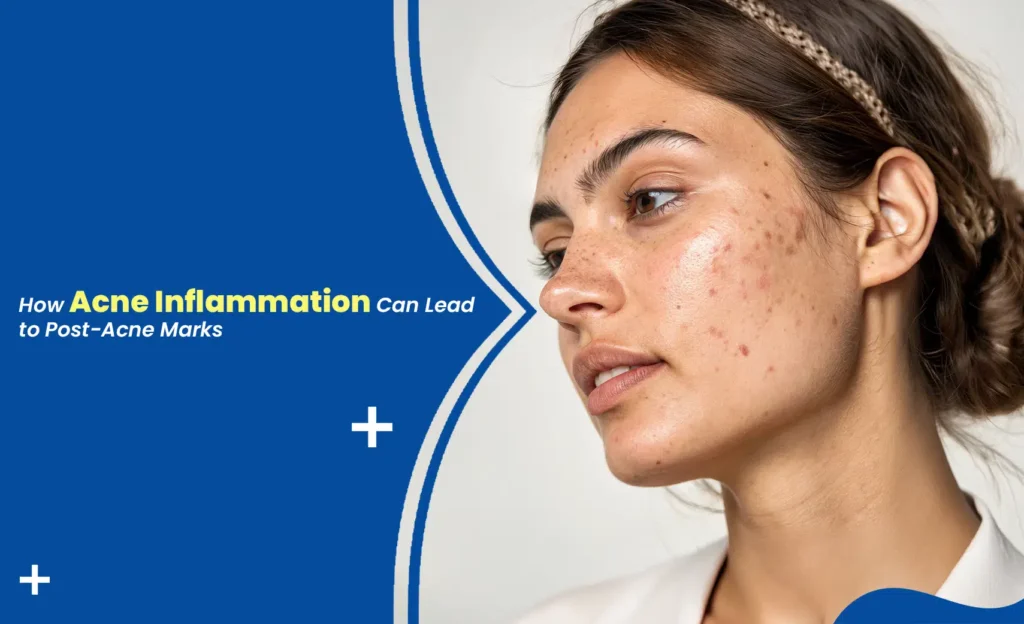
When your pimple finally pops and makes way for a clear complexion, that should be a good feeling, but not for everybody, as for many, a dark spot or discolored patch replaces that clear skin. The reasons behind the scarring of inflammatory acne are well known, and once understood, it will be easier to prevent new scarring and treat the existing post acne marks. With the right skin care routine, effective acne treatment, and the help of your dermatologist, there are steps you can take to end this never-ending cycle.
When a Pimple Isn’t Just a Pimple
But not every type of acne manifests itself in the same manner, and that can make a huge difference in what takes place after a breakout buster subsides. Inflammatory acne includes papules, pustules, nodules, and cysts and is more red, swollen, and irritated than non-inflammatory acne, which is blackheads and whiteheads that do not extend past the surface of the skin with much inflammation. That’s why inflammatory acne is more likely to leave a mark after the actual pimple has healed, because the skin has essentially suffered small-scale damage and is undergoing healing, but the healing process doesn’t always go back to normal.

The Skin’s Overreaction to Injury
You must be familiar with the events at the cellular level that occur during and after an acne outbreak to know the causes of post acne marks. As the skin tissue is damaged by this acne inflammation, the body attempts to heal and protect itself by creating melanin, the pigment that gives skin its color. This healing process can actually cause the affected area to produce more melanin, making it look darker than the rest of the skin, and the patch may remain there for weeks or months after the pimple has healed. Some people develop a flat, discolored patch that is darker than the rest of their skin, called post inflammatory hyperpigmentation, after the pimple has gone away. This is not a real acne scar, caused by collagen damage to the skin, but rather problems with skin pigmentation, which is a matter of color change, not structural change, of the skin in the case of inflammatory acne.
Why Some Skin Types Are More Prone to Dark Spots
The problem as to why acne leaves dark spots more than others is basically based on the pigmentation or color of the skin and individual immune reaction in inflammatory acne. Medium to darker skin types have a greater tendency to see visible “post inflammatory hyperpigmentation,” as they have a natural response to having more melanin and are more likely to have melanin, or hyper-melanized, when undergoing inflammation. Also, how strongly a person picks, squeezes, or otherwise “plays” with an open breakout can affect the level of acne pigmentation that occurs and may worsen, as increased trauma to already inflamed skin can exacerbate the inflammatory response and thus the pigmentation that is left behind after the pimple has healed.
Distinguishing Marks From True Scarring
Note that inflammatory acne marks and acne scars are often confused with each other, but they actually refer to two different skin problems. Acne marks (such as dark spots caused by post inflammatory hyperpigmentation) are simply a temporary skin discoloration problem that, although it may be upsetting, will resolve with time (often months) and without permanent changes to the skin. The latter (acne scars) involve actual changes in the collagen structure of the skin, leaving behind textures such as depressed pitting or raised, thickened tissue and will therefore probably require stronger treatment methods to correct; these are a real change of the skin rather than a pigment change only.
What Happens Immediately After a Breakout
Inflammatory acne marks after pimples usually follow a fairly consistent pattern; immediately after the visible pimple has flattened, there will be a pink or red mark, which may later turn brown, tan, or darker over the next few days or weeks as the melanin production increases due to the inflammation. This will make it appear that the mark is getting worse before it gets better, but it isn’t; this is a normal part of the process. Many of these marks will slowly fade over time if they are left alone and not allowed to be exposed to other irritants or sunlight during the healing process, although this is different for everyone depending on their skin tone, intensity of the mark, and whether the area is protected from further irritation and sun exposure.
Practical Ways to Address Existing Marks
The first step is how to remove post acne marks: have a consistent, gentle skin care regimen; don’t do anything that will cause more inflammation and make the marks last longer. Sunscreens are a must-have during this process to ensure that any existing hyperpigmentation doesn’t get darker and that a mark doesn’t fade by months because of the sun’s harmful rays. Dermatologists typically advise topical ingredients such as vitamin C, niacinamide, and mild exfoliating acids like azelaic acid or glycolic acid to manage inflammatory acne and help fade existing discoloration and encourage healthier skin turnover with time. In-office procedures such as chemical peels, microneedling, or some lasers can help fade pigmentation faster than just topical products, especially in more stubborn or extensive pigmentation issues that don’t clear after months of regular use at home.
Supporting Acne Management From Medicine
Delactin 12 mg is used to treat acne, pimples, etc. This medicine is part of a broader treatment plan, which is used by users to deal with more severe inflammatory acne. This oral medication is suitable for patients’ specific acne severity, skin type, and medical history of acne. It is advised not to take this medicine by self-diagnosis. It is recommended to consult with a healthcare provider or dermatologist before taking this medicine and take the right doses as per requirement.
Breaking the Cycle Before It Starts
The long-term strategy against post acne marks is about fading exciting discoloration and reducing new inflammatory breakouts. This should work effectively on inflammatory acne. You have to adopt a consistent skincare routine. This helps to manage your acne-prone skin. You should avoid picking or squeezing active pimples. You talk with a dermatologist to choose the right acne treatment plan. Many people find out the causes of active acne breakouts and treat existing marks. This is a part of a coordinated skincare and treatment approach.
Summing Up
Post acne marks are rarely permanent on your face. It is frustrating if marks see on the skin. This blog builds connection to inflammatory acne and the discoloration. Both show a better position regarding causes as well as aftermath. You should avoid sunlight. You need to focus on topical treatments along with a proper dermatologist-guided approach. You may take Delactin 12 mg tablet to improve skin condition and reduce acne breakouts.
FAQs
1. How long do post acne marks typically take to fade?
These marks stay for a few weeks to several months. This depends on skin tone and how you protect the skin from sun exposure.
2. Are dark spots from acne the same as acne scars?
No, both are different. Dark spots are created because of pigmentation. Acne scars create because of changing skin texture.
3. Does popping a pimple make post acne marks worse?
Yes, it does. You should not pick or squeeze pimples. You should keep affected areas clean all the time to reduce breakouts.
4. What’s the most important daily habit for preventing acne marks from getting darker?
You clean your skin daily. Apply daily sunscreen. This helps to prevent sunburn. You go to a healthcare provider to create a treatment plan.
5. When should someone consider an oral treatment like Delactin 12 mg for acne?
Oral treatment is used in the case of inflammatory acne. You have to talk with your dermatologist about the dose of this medicine as per your skin condition and acne severity.