
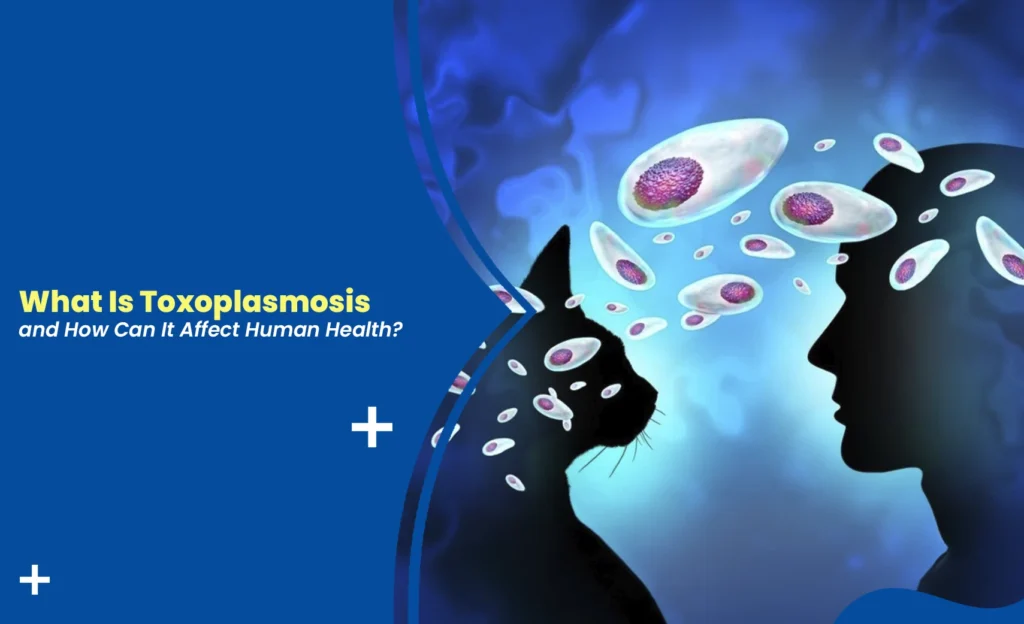
It is one of the most common infections on earth, and most people who are infected never know. Researchers say about a third of the world’s population has been infected with Toxoplasmosis, a parasitic disease, at some point in their lives. For most healthy adults it passes without a trace, but it can be serious for unborn babies and those with weak immunity. When you know how it works, you protect yourself smartly, not fearfully.
A Common Parasite With a Feline Twist
The causative agent is Toxoplasma gondii, a single-celled parasite that can infect virtually any warm-blooded animal, including birds, livestock, and humans. The special thing about cats is that they are the only animal that the parasite can reproduce in. After a cat is initially infected, it will shed microscopic egg-like oocysts in its feces for about two weeks. They can survive for months in soil and water and become infectious after a day or several in the environment. That’s why toxoplasmosis can affect so much of daily life, from pets and gardens to farm animals and the dinner table.
How the Parasite Finds Its Way In
There are different ways of infection transmission, and the most common ways are surprisingly mundane. One of the main is contaminated food, particularly fruit and vegetables with traces of soil that have not been washed correctly and water contaminated with oocytes. Another major source is undercooked meat. Dormant tissue cysts can be present in pork, lamb, venison, and other meats and survive unless the meat is cooked to the proper temperature. The third classic route is cat feces exposure, either by cleaning a litter box or gardening in soil cats have used, then touching the mouth before washing hands. It is less commonly transmitted through organ transplantation, blood transfusion, or from mother to baby. You cannot catch toxoplasmosis from someone else by coughing, hugging or living with them.
When the Body Barely Notices
In most healthy people, the immune system deals with the parasite silently. Few get mild flu-like symptoms like low-grade fever, tiredness, muscle aches, and sore throat. The most characteristic sign is swollen lymph nodes, particularly in the neck, which may last for weeks and may be mistaken for mononucleosis. Then the parasite doesn’t go away. It retreats into dormant cysts in muscle and brain tissue, where it is kept in check for life by a healthy immune system, and in these people toxoplasmosis rarely causes further trouble.
The Stakes Are Higher During Pregnancy
Toxoplasmosis in pregnancy is a condition that should be taken seriously because a primary infection during or shortly before pregnancy may allow the parasite to cross the placenta and cause a congenital infection. The longer you are pregnant, the greater the risk of passing it to the baby, but infections earlier in pregnancy tend to cause more damage. Outcomes can include miscarriage, stillbirth, accumulation of fluid in the brain, brain calcifications, seizures, and eye damage. Many infected newborns appear healthy at birth but develop vision problems or learning difficulties months or years later. The good news is that a woman who is infected well before conception is usually protected, and early treatment with recommended medicines can reduce the risk to the baby if an infection is picked up during pregnancy.
When Defenses Are Down
A compromised immune system changes the picture completely. Dormant cysts can become active in people who have advanced HIV or who are getting chemotherapy or are transplant recipients on immunosuppressive drugs. It can cause encephalitis in the brain and lead to headache, confusion, fever, seizures, and balance or coordination problems. The heart and lungs might also be involved. Toxoplasmosis in this setting is a medical emergency and can be fatal if not treated promptly.
Eyes on the Problem
One of the best known long-term effects is eye inflammation. The parasite can lodge in the retina and cause inflammation that results in blurred vision, floaters, light sensitivity, or eye pain. It can flare up repeatedly and sometimes leaves scars that permanently reduce vision. This could be due to a congenital infection or one acquired later in life, and therefore any new visual changes must always be investigated with an eye examination.
Solving the Medical Mystery
Parasite diagnosis usually begins with blood tests for antibodies, and the pattern of these antibodies assists healthcare providers in determining if an infection is new or old. During pregnancy, a healthcare provider might test the amniotic fluid for the parasite’s genetic material and monitor the baby with ultrasound. In a person with low immunity and with neurological symptoms, brain imaging is useful, and the characteristic retinal lesions can usually be recognized by an ophthalmologist by looking inside the eye. The vast majority of healthy people with a mild illness do not need any treatment. More severe cases require combinations of pharmaceutical drugs, selected and supervised by specialists.
Knowing What Can Go Wrong
Parasitic disease complications are uncommon in healthy adults but are important when they occur. These include loss of vision from repeated eye flare-ups, brain damage in the immunocompromised, and developmental harm to babies infected before birth. Even so, early detection and treatment can significantly improve outcomes. That’s why anyone who is pregnant or immunocompromised should bring any suspected exposure to their healthcare provider’s attention right away.
Simple Habits That Keep the Parasite at Bay
Primarily infection prevention is about kitchen and garden routines. Use a thermometer to make sure meat is cooked all the way through. Ground meat should be about 160°F (71°C) and whole cuts about 145°F (63°C). Let meat rest. Freezing the meat can also cut the risk. Wash fruits and vegetables well, scrub cutting boards and knives after raw meat, and wash hands with soap before eating. When gardening, wear gloves and wash afterward. If you are pregnant or immunocompromised, have someone else do the litter box, or wear gloves and wash well after if you must. Keep cats indoors, feed on commercial food rather than raw meat, and avoid unpasteurized dairy and untreated water. You don’t have to give up a beloved pet to be safe.
To Conclude
For most people who get this parasite, the symptoms never amount to more than a mild flu. But in a few cases, the stakes suddenly get much higher. You should know the risks, practice good food and hand hygiene, and see your healthcare provider early if you are pregnant, have a weakened immune system, or develop sudden changes in vision. Toxoplasmosis is actually a lot easier to deal with than you might think given its reputation, with a few sensible habits.
FAQs
1. What is Toxoplasmosis?
This is an infection with a parasite, which is called Toxoplasma gondii. People get the infection from eating undercooked meat. People can be infected after getting in contact with cat feces.
2. What are the symptoms of Toxoplasmosis?
The symptoms are fever, swollen lymph nodes (that may last for weeks), headache, muscle aches, and skin rash.
3. How do you know if you have got toxoplasmosis?
You consult with a healthcare provider for antibody blood tests. If you are pregnant, then you need an ultrasound or amniocentesis for an unborn baby.
4. Does toxoplasmosis go by itself or without treatment?
No, you need medical treatment and a prevention plan to cure it.
5. Does toxoplasmosis affect the brain?
Yes, it affects the brain. If you have a weak immune system, then there is a high chance that infection will affect your brain.