
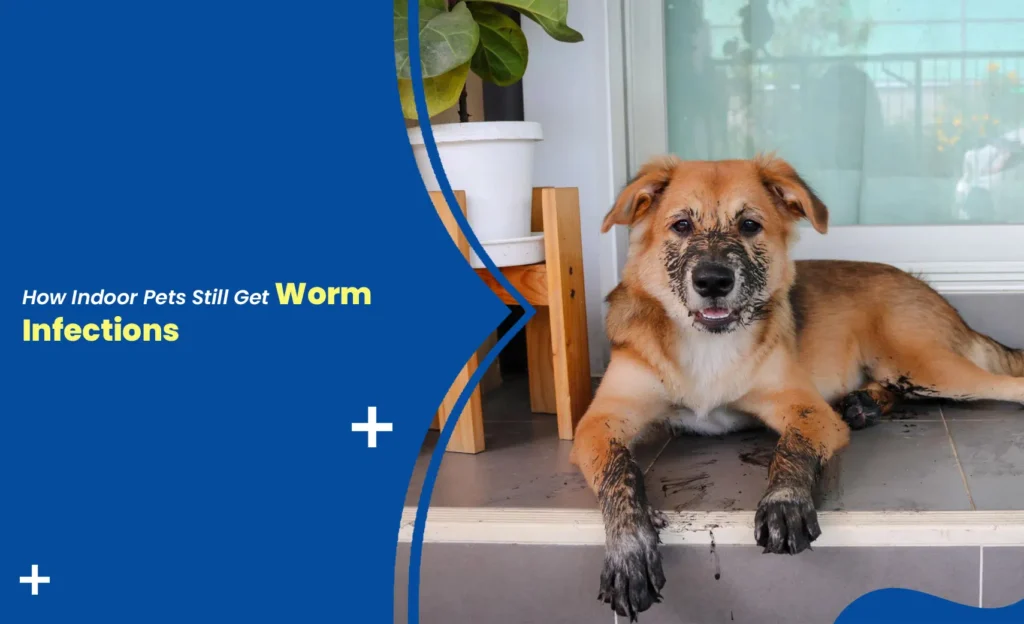
If you’re like most pet parents, you probably think that keeping your cat or dog strictly indoors means they’re safe from all those nasty parasites. No rolling in the dirt outside, no hunting mice in the field, no sharing water bowls with stray animals. Sounds logical, right?
Many people don’t realize this, but your cozy, spotless living room isn’t the impenetrable fortress you think it is. Worms are sneaky. They don’t need a backyard to thrive. In fact, some of the most common ways pets get roundworms, hookworms, or tapeworms happen right under your nose on your floors, in your potted plants, or even on the bottom of your shoes.
You might be surprised to know just how adaptable these parasites are. So before you skip that deworming schedule because Fluffy never goes outside, let’s walk through the hidden realities of indoor parasite risks. Trust me, it’s better to be informed than to find out the hard way like when you see something moving in your pet’s stool.
Your Home Isn’t as Sealed as You Think.
Let’s be honest, no home is a parasite-proof bubble. Worm eggs and larvae are microscopic. They travel on shoes, on clothing, and on hands that haven’t been washed after handling soil or raw food. Every time someone walks through the front door, they could unknowingly be carrying something in.
This is one of the most overlooked hidden parasite sources indoors. Roundworm eggs, for instance, can survive on surfaces for months. Hookworm larvae can cling to the bottom of shoes. You bring them in. Your pet walks on the same floor. Then they groom themselves. That’s really all it takes.
Flies and insects that enter through windows can also carry worm eggs. Even indoor plants, if the soil comes from outside or was improperly treated, can harbor larvae. It sounds alarming, but once you understand how pets get worms at home, you stop blaming yourself and start taking smart, simple actions instead.
The Raw Food and Treat Connection.
Raw feeding has become increasingly popular among pet owners who want more natural diets for their animals. There’s nothing wrong with caring about what goes into your pet’s bowl. But raw or undercooked meat is one of the more direct ways in which pets get worms at home, especially tapeworms.
Tapeworm segments or eggs can be present in unprocessed meat that wasn’t properly inspected or frozen. Once ingested, they find a comfortable home in your pet’s intestines and your pet may not show obvious symptoms for weeks.
Even commercially sold pet treats, particularly those made from dried organs or rawhide, carry a small but real risk if they haven’t gone through adequate processing. Checking sourcing and choosing reputable brands matters more than most people realize.
Fleas: The Indoor Bridge for Tapeworms.
Here’s something that surprises a lot of people. Tapeworm infections in pets are often not from eating infected prey but come from swallowing an infected flea while grooming.
Your pet doesn’t need to go outside to encounter fleas. Fleas can hitch a ride into your home on clothing, on visiting animals, or even on second-hand furniture. Once they’re in, they can multiply quickly in carpet fibers, bedding, and upholstered furniture.
When a pet bites or licks themselves to scratch an itch, they can accidentally swallow a flea larva that has already ingested a tapeworm egg. It sounds like a strange relay race, but that’s exactly how the cycle works. Flea control and worm control genuinely go hand in hand.
Mother to Puppy: Before They Even Open Their Eyes.
One of the most heartbreaking and misunderstood forms of unseen worm transmission in pets happens even before birth. Puppies can be born with roundworm infections passed directly from their mother in the womb. Kittens can acquire the same through nursing milk.
This is why vets routinely deworm very young animals, even those born in clean, controlled indoor environments. It’s not a reflection of negligence. It’s just biology doing what biology does.
If you’ve recently adopted a puppy or kitten, even from a careful breeder, a deworming protocol is almost always part of the recommendation. Don’t skip it.
Recognizing the Signs.
The phrase unseen worm transmission pets sounds clinical, but it really means one thing: by the time you see symptoms, the infection has often been there for weeks. Some pets carry a low-level infection with no visible signs at all. Others might show subtle changes, a slight dullness in the coat, occasional vomiting, scooting on the floor, or a slightly bloated belly.
Heavy infections tend to be more obvious. Weight loss despite a good appetite, visible worms in stool, or significant lethargy are signs to take seriously. Kittens and puppies are especially vulnerable because their immune systems are still developing.
The key is not to wait for severe signs. Regular deworming, whether or not symptoms are present, is the smarter approach for both indoor and outdoor pets.
Treating It Right: Why the Right Dewormer Matters.
Not all dewormers are made equal. Different worms require different treatments, and using the wrong product does nothing except give you a false sense of security.
One of the products that veterinarians frequently recommend to treat worm infections in pets is Fensafe 222 mg. It has fenbendazol which is a broad-spectrum anthelmintic (a fancy word for a parasite-killing drug) that works against a number of worms including roundworms, hookworms, whipworms and some tapeworms.
Fensafe 222 mg is a convenient choice because it is relatively safe and effective against common internal parasites. The usual course of treatment is over several days and not a single dose and is effective against adult worms as well as the larval stages in the gut.
That said, always consult your vet before starting any deworming medication. The dosage of Fensafe 222 mg depends on your pet’s weight and health status, and using it under guidance ensures you’re treating the right parasite at the right dose. Fensafe 222 mg isn’t something to eyeball or guess on precision matters.
If you have more than one pet in your home, your veterinarian may suggest treating all the animals at the same time to avoid reinfection. Fensafe 222 mg is often suitable for this kind of protocol, but again, only with proper veterinary guidance. Keeping Fensafe 222 mg as a regular part of your pet’s health plan, rather than a last resort, is generally the smarter long-term strategy.
Preventing Re-infection at Home.
Treating the worm infection is step one. Making sure it doesn’t keep coming back is step two.
Some practical steps that genuinely help:
- Wash pet bedding frequently in hot water.
- Vacuum carpets and upholstered furniture regularly.
- Remove shoes at the door when possible.
- Wash your hands after handling raw pet food or garden soil.
- Keep up with flea prevention year-round, not just in summer.
- Schedule routine deworming based on your vet’s recommendation.
These aren’t complicated habits, but they make a real difference over time.
Conclusion.
Indoor pets are not automatically protected from worms. The source is often invisible tracked-in soil, infected fleas, raw food, or transmission from mother to young. The good news is that once you understand how these infections actually happen, prevention becomes a lot more manageable.
By staying aware of hidden parasite sources indoors, understanding how pets get worms at home, and managing indoor pet parasite exposure, you’re already ahead of most pet owners.
Regular vet visits, sensible hygiene habits, and the right deworming protocol, including products like Fensafe 222 mg used appropriately, go a long way in keeping your pet healthy and comfortable at home.
FAQs.
- Can indoor pets really get worms?
Yes, they can. They can be exposed to the virus through contaminated surfaces, fleas or human contact, even without leaving the house.
- How often should I deworm my indoor pet?
This is very much down to the age of your pet and their lifestyle but many vets will recommend doing this on a regular basis. Products such as Fensafe 222 mg are often used as part of routine care.
- What are the early signs of worm infections?
Early symptoms may be subtle slight weight loss, tiredness or bowel problems. At times there are no obvious symptoms at all.
- Are worm infections dangerous for pets?
Yes, if not treated. Worms can eventually damage digestion, nutrition and general health.
- Is preventive deworming really necessary for indoor pets?
In most cases, yes. Since exposure can happen in hidden ways, preventive use of treatments like Fensafe 222 mg helps reduce the risk significantly.