
The air outside my window this morning is heavy. It’s that thick, humid soup that we used to only get in the dead of August, but here we are, barely into spring, and I’m already reaching for the thermostat. It’s a small, mundane observation, but it’s part of a much larger, quieter shift that’s happening all around us.
When we talk about climate change, our minds usually drift to the big, cinematic disasters. We think of collapsing ice shelves, raging wildfires in California, or coastal towns in the UK getting swallowed by storm surges. It’s dramatic. It’s visual. It makes for compelling evening news. But as a health journalist, I’ve spent the last few years obsessing over a much quieter, much creepier consequence of our warming planet.
It’s the bugs. Or more accurately, the things living inside the bugs. And the things living inside us.
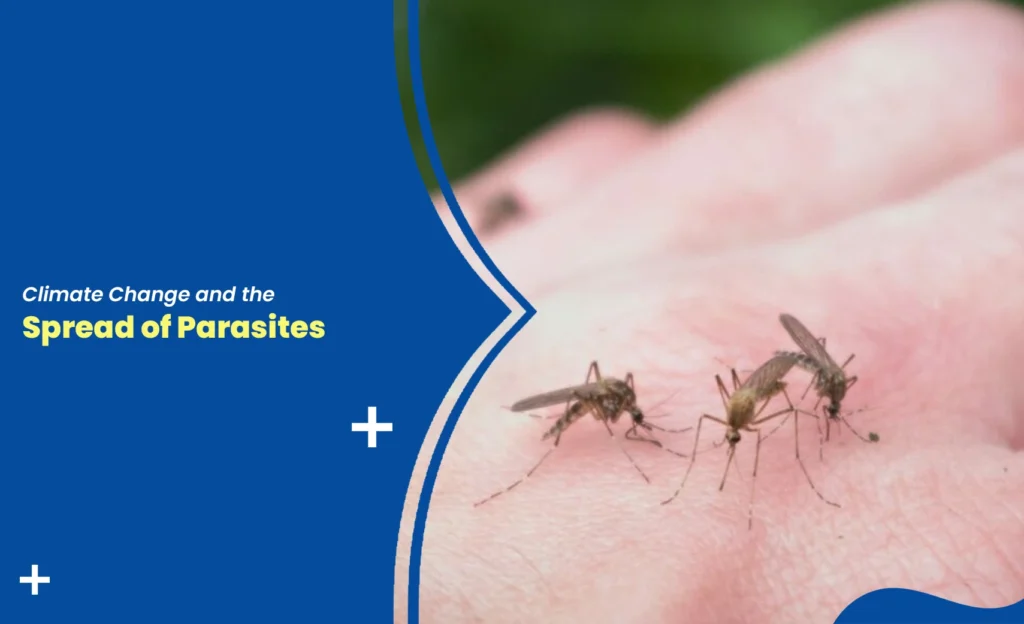
We are currently witnessing a massive, silent migration. As the thermometer ticks upward, parasites-creatures that thrive on warmth and moisture-are packing their bags and moving into new neighborhoods. They are crossing borders, climbing latitudes, and setting up shop in places that used to be far too cold for them to survive. It’s a biological colonization, and honestly, we aren’t talking about it nearly enough.
The Thermal Goldilocks Zone
Most parasites are incredibly sensitive to temperature. They have a “just right” zone where they thrive, reproduce, and find hosts. For centuries, the cooler climates of the Northern United States, Canada, and Northern Europe acted as a natural ecological shield. The harsh winters would hit the reset button every year, killing off dormant larvae and keeping insect populations in check.
But those winters are getting shorter. They are getting milder. The “reset button” is broken.
What happens when the winter freeze doesn’t come, or when it’s so brief that it barely makes a dent? It means parasites get a head start. They wake up earlier in the spring, they stay active much later into the autumn, and their populations explode.
Take ticks, for example. I used to go hiking in the UK without a second thought about ticks. Now, it’s a whole ritual of tucking trousers into socks and doing obsessive body checks the moment I get home. It’s exhausting. And it’s not just a nuisance; it’s a shifting boundary of disease. Ticks that carry Lyme disease or babesiosis are marching northward. The same thing is happening in the US, where diseases once confined to the South are now popping up in New England and the Midwest.
The parasites are riding the heat wave. They are expanding their territory while our natural defenses melt away.
The Hidden Waterways
It’s not just the heat, though. It’s the water. Climate change isn’t just making the world hotter; it’s making the water cycle unpredictable. We are seeing a whiplash between extreme droughts and catastrophic flooding.
And parasites love a good flood.
When heavy rains overwhelm our aging sewer systems, they create a giant mixing bowl of pathogens. Agricultural runoff, human waste, and wildlife feces all wash into the same streams and rivers. This is how waterborne parasites like Cryptosporidium and Giardia find their way into drinking water supplies.
But it’s also how we see spikes in soil-transmitted parasites. If you’ve ever walked through a flooded neighborhood after the waters have receded, you know that smell. It’s thick, metallic, and heavy. That silt left behind isn’t just dirt. It’s a biological layer cake. If you’re a gardener, or if you have kids who play in the dirt, you’re suddenly in direct contact with organisms that used to be safely contained miles away.
In some cases, especially when dealing with pets or livestock that graze on these flooded pastures, the risk of worm infections sky-rockets. Farmers and veterinarians have long relied on dewormers to keep animals safe in these shifting environments. For many, having a protocol that includes a reliable dose of Fenbendazole 150mg is just a standard part of managing flock or herd health after a heavy wet season. It’s a tool to wipe the slate clean when the environment becomes overwhelmingly contaminated. But as the climate shifts, these isolated agricultural headaches are bleeding into the wider ecosystem.
Breaking the Ecological Rhythm
One of the most fascinating-and terrifying-things about this shift is how it messes with ecological timing. In biology, we call it phenological mismatch.
Think of it like an orchestra. The birds arrive just as the insects hatch, so there’s enough food. The plants bloom just as the pollinators wake up. Everything is timed to the millisecond.
Climate change is throwing a wrench into the instruments. Warm springs cause insects to hatch early, but maybe the birds haven’t arrived yet. Or maybe the parasites hatch before their usual hosts are ready, forcing them to find new hosts.
This is where things get messy for humans. When parasites are forced to adapt, they often jump species. We call it zoonotic spillover. A parasite that used to live happily in a specific rodent in the forest might find its ecosystem disrupted by a heatwave. That rodent population crashes, or moves. The parasite, desperate to survive, finds a new host: your dog. Or you.
It’s an unpredictable, chaotic game of musical chairs. And the music is speeding up.
I was reading a paper the other day about how certain types of nematodes-tiny microscopic worms-are surviving in Arctic soils where they should be frozen solid. They are thawing out, coming back to life after decades of being trapped in ice, and finding hosts in local wildlife. It feels like something out of a sci-fi novel, doesn’t it? But it’s happening in real-time.
When these parasites enter a new domestic environment, the traditional veterinary interventions often have to adapt. It’s not uncommon to see pet owners dealing with stubborn, recurrent worm issues that they never used to see a decade ago. In many home-care or smallholding setups, a cycle of Fenbendazole 150mg can be the difference between a healthy animal and a chronic, wasting illness. The medication works by disrupting the cellular structure of the parasites, effectively starving them out. It’s a blunt instrument, but when the environment is constantly throwing curveballs, sometimes you need a reliable fallback.
The Backyard Revolution
We often think of these shifts as happening in remote jungles or distant forests. But the real frontline of climate-induced parasitic spread is your backyard.
Think about your lawn. If you live in an area that is getting wetter, your grass is staying damp longer. This creates a perfect microclimate for parasite eggs to survive. Normally, the hot sun would bake the grass and kill them off. But if the humidity stays high, those eggs can survive for months, just waiting to be picked up.
If you have a dog or a cat that goes outside, they are the bridge. They run through the damp grass, lick their paws, and bring the parasites inside. Suddenly, an ecological shift happening on a global scale is sitting on your sofa.
It’s a bit overwhelming when you look at it that way. How are we supposed to fight a global atmospheric shift from our living rooms?
The answer isn’t panic. It’s awareness. It’s understanding that the baseline of what is “normal” has shifted. If you live in the UK or the US, you can no longer assume that you are safe from certain infections just because of your geography. We have to start thinking like public health officers in tropical zones. We need to be more vigilant about hygiene, more consistent with pet treatments, and more aware of the symptoms of parasitic infection in ourselves.
For animal care, this shifting baseline has made routine health maintenance a bit more complex. If you’re managing a small homestead or keeping backyard chickens, you might find that the old schedule doesn’t work anymore. The rain comes heavier, the mud stays longer, and the parasite load creeps up. Utilizing a measured course of Fenbendazole 150mg can help keep those numbers down before they become a clinical problem. It’s about being proactive rather than waiting for your animals to show signs of distress.
Connecting the Dots
So, why aren’t we connecting these dots more often? Why isn’t every news broadcast about global warming accompanied by a warning about parasites?
I think it’s because it’s a difficult sell. It’s hard to get people excited about microscopic worms. A melting glacier is majestic. A hookworm is just… gross.
But the health consequences are severe. Parasites don’t just cause stomach aches. They cause long-term fatigue, brain fog, nutritional deficiencies, and immune system dysregulation. They wear you down slowly. They are the ultimate biological tax, draining your energy without you ever really knowing why.
If you’re feeling constantly exhausted, or if your pets are perpetually unwell, it’s worth stepping back and looking at the environment. Are you living in a zone that has seen dramatic shifts in rainfall? Are you seeing new insects in your garden? The symptoms might not be stress; they might be a direct reflection of a changing biosphere.
When we do find these infections, whether in our pets or our livestock, the treatment is often surprisingly straightforward, provided it’s caught early. This is where medications like Fenbendazole 150mg earn their keep. They are designed to target the unique biology of the parasite without causing collateral damage to the host. By inhibiting the parasites’ ability to absorb glucose, the medication essentially cuts off their fuel supply. It’s elegant in its simplicity. But it only works if we are looking for the problem in the first place.
The Human Toll of an Invisible Crisis
There’s a psychological toll to this as well. There’s a quiet exhaustion that comes with realizing that the outside world is becoming slightly more hostile.
I remember talking to a friend who lives in a flood-prone area of the American South. She told me that after a big storm, she looks at her yard with a sense of dread. The floodwaters are gone, the grass is green, but she knows that microscopic hitchhikers are left behind. It takes the joy out of letting the kids run around barefoot. It shifts your relationship with nature from one of comfort to one of suspicion.
Is that the future we are heading toward? A world where we are constantly looking over our shoulder at the microscopic world?
Maybe. But it doesn’t have to be a fatalistic future. Humans are incredibly adaptable creatures. We are good at building defenses.
We can build better drainage. We can design cities that don’t flood every time there’s a heavy thunderstorm. We can support local veterinary health systems to monitor wildlife shifts. And we can educate ourselves.
In smaller-scale settings-like hobby farms or multi-pet households-knowledge is the ultimate defense. If you understand that a wet, mild winter means a higher parasite burden, you can adjust your care routine. Instead of waiting for a crisis, pet owners can consult with their vets about a preventative cycle of Fenbendazole 150mg to ensure the household burden remains low. It’s about taking control of the variables we can control.
Shifting the Narrative
We need to change how we talk about climate change. It’s not just about the weather. It’s about the biology. It’s about how every degree of warming translates into a million tiny biological decisions made by organisms we can’t even see.
The parasites are adapting. They are finding new hosts, crossing new borders, and rewriting the rules of the game. They don’t have a political agenda, and they don’t care about economic projections. They just want to survive.
The question is, will we adapt fast enough to meet them?
It starts with acknowledging the weirdness of it all. It starts with looking at a humid spring day and seeing it for what it really is: an invitation for the microscopic world to expand.
As the climate shifts, our reliance on pharmacological tools to maintain balance is only going to grow. Whether it’s managing a herd of goats on a damp pasture or keeping a kennel of dogs safe from intestinal worms, interventions like Fenbendazole 150mg are going to be a staple of modern animal care. They help us hold the line when nature throws the ecosystem out of balance.
A Final Thought from the Porch
I’m sitting on my porch now, watching a robin pull a worm out of the damp earth. It’s a classic, peaceful scene. But I find myself looking at that worm differently today. Where did it come from? What is it carrying?
It’s a bit of a occupational hazard, this job. You start seeing the invisible threads connecting everything. You see how a coal plant in one country leads to a milder winter in another, which leads to a tick explosion in a forest, which leads to a sick hiker.
It’s all connected. The planet is breathing, and right now, its breath is getting a little warm.
The parasites are just riding the wave. It’s up to us to make sure we aren’t drowning in it.
So, wash your hands. Keep your boots outside. Check your pets. And don’t be afraid to ask your vet about the hard-hitting stuff like Fenbendazole 150mg if you suspect the local ecosystem is getting a little too crowded. We might not be able to stop the global temperature from rising today, but we can certainly stop the parasites from taking over our backyards.
FAQs
1. I’ve lived in the UK/US my whole life and never worried about parasites. Why now?
It feels like the goalposts have moved, doesn’t it? For decades, our cold winters acted as a natural “reset button,” killing off larvae in the soil and keeping tick populations in check. But as our climate softens, that shield is thinning. We’re seeing “Southern” problems moving North. It’s not that you’re doing anything wrong; it’s that the environment around your home is becoming more hospitable to things that used to stay in the tropics. It’s a bit like a security fence that’s slowly rusting away-you just have to be a bit more vigilant than your parents were.
2. Can I catch these “climate-shifting” parasites from my dog or cat?
It’s a valid worry, especially when your dog is basically a furry sponge for everything in the backyard. While many parasites are species-specific, some (like hookworms or roundworms) are “zoonotic,” meaning they can jump to humans. If your pet is bringing in damp, contaminated mud, the risk is there. This is why consistent deworming for pets has moved from “optional” to “essential.”
3. Is it safe to use a dewormer such as Fenbendazole 150mg without a vet’s visit?
I get the DIY appeal, especially when you’re trying to manage a busy household or a small hobby farm. However, “shotgunning” medication isn’t always the best move. Different worms require different dosages and durations. While Fenbendazole 150mg is a widely trusted, broad-spectrum tool that’s been a staple in animal health for years, it’s always best to have a quick chat with a professional first. They can confirm if you are dealing with a simple roundworm issue or something that is more complex that might require a different strategy. Think of it as calling a mechanic before you start taking the engine apart-it just saves you a headache later.
4. I’m an avid gardener; should I stop composting or touching the soil?
Don’t hang up your trowel just yet! Gardening is too good for the soul to quit. But we do have to acknowledge that warmer, wetter soil is a better incubator for parasite eggs. If you’re in a flood-prone area or notice more stray animals in your garden, start wearing gloves. It sounds simple, but it’s your best defense. Also, if you use manure for compost, make sure it’s “hot” composted to kill off pathogens. It’s just about adding a few layers of “biological manners” to your hobby so you aren’t accidentally inviting hitchhikers into your kitchen.
5. How do I know if the “spread of parasites” is actually affecting my area?
You don’t need a lab coat to be an observer. Look at the small changes: Are you seeing ticks in March when they used to appear in May? Is your local park staying boggy for weeks after a rain? These are the environmental cues that parasites follow. Public health maps from the CDC or the NHS are also getting much better at tracking these “migrations.” If you see a local alert for heartworm or Lyme disease increase, take it seriously. We’re all learning to read a new kind of weather map-one that tracks biology as much as it tracks rain.