
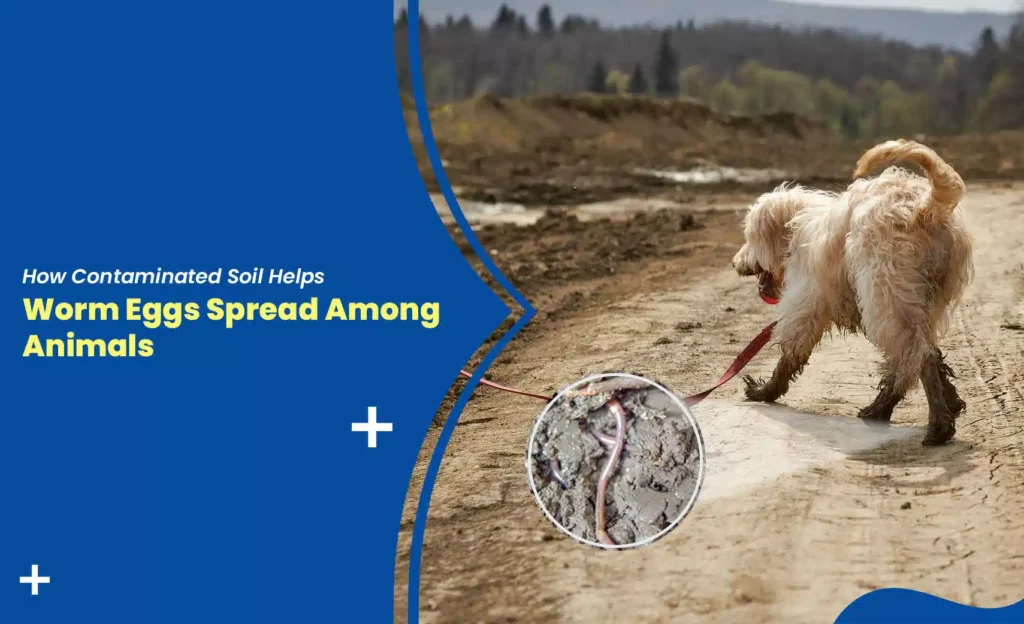
I’ve been thinking about this a lot lately. Not because I want to, but because my dog keeps trying to eat random stuff in the backyard. And then I started wondering, what’s actually living in that dirt? Like, deep down where you can’t see.
Turns out, soil contamination isn’t just about chemicals or weird industrial runoff. It’s also about… poop. Old poop. Animal poop that’s been sitting there for weeks. And inside that poop? Worm eggs. Tons of them.
And those eggs? They don’t just die. That’s the problem.
What soil even does to worm eggs.
Here’s the thing about worm eggs they’re annoyingly tough. I mean, seriously. You’d think something so small would just fall apart in dirty soil. But no. Some of them can survive for years.
Roundworm eggs, for example. Those little guys have a hard outer shell that’s basically like a tiny spaceship. It protects them from heat, cold, dryness, and even some disinfectants. So when an infected animal poops on the ground, and that poop breaks down, the eggs just… hang out. In the soil. Waiting.
And that’s where soil contamination becomes a real cycle. Because now your dog walks through that spot, licks its paws later, and bam new infection. Same with cats, livestock, and even wild animals passing through.
I read somewhere that a single gram of contaminated soil can hold hundreds of eggs. Hundreds. That’s nothing. That’s like a pinch of dirt.
Ok, but how long do they actually survive.
Depends on the type of worm, honestly. But here’s what stuck with me:
- Roundworm eggs – up to 10 years in moist soil. Ten years.
- Hookworm larvae – not eggs exactly, but they survive 2-4 weeks in warm dirt.
- Tapeworm eggs – less hardy, but still… months.
So yeah. That patch of mud your kid or your dog likes? Could be a time bomb. Not trying to be dramatic. But also… kinda dramatic.
Temperature matters a lot. Freezing doesn’t kill most eggs it just puts them in slow motion. Then spring comes, the soil warms up, and they’re back. Heat can kill them, but we’re talking 140°F+ for hours. That’s not happening naturally unless you live on the sun.
Moisture is another thing. Eggs love damp soil. Dry conditions stress them out, but they don’t always die. They just go dormant. Like a creepy little seed waiting for rain.
What makes soil contamination worse in animal environments?
Think about places where animals congregate. Kennels. Dog parks. Farms. Backyards where someone’s chickens roam. These spots get repeatedly contaminated because animals poop there, then other animals sniff around, then they poop, and on and on.
And here’s the part people miss, you can’t see it. The soil looks normal. Maybe a little dark. Maybe nothing. But the eggs are microscopic.
Most contaminated spots are often near water bowls or under shady trees. Because animals hang out there, and the shade keeps the soil cool and moist. Perfect for egg survival. Perfect for reinfection.
Sometimes, even removing the animals doesn’t fix it. The eggs just stay there. For years. Waiting for a new host.
So, what actually kills worm eggs in soil?
Honestly? Not much that’s practical.
Solarization works, that’s where you cover the soil with clear plastic for weeks in summer. The heat builds up and cooks the eggs. But that’s hard to do in a big yard or a pasture.
Bleach solutions can kill surface eggs, but they don’t penetrate deep. And you can’t exactly flood your lawn with bleach.
Burning works, but… that’s a whole other problem.
Composting at high temperatures (above 130°F for several days) kills eggs, but that’s only for compost piles, not for open ground.
This is why prevention matters more than cleanup. Once the eggs are in the soil, you’re kind of stuck managing the animals instead of the dirt.
Deworming and why it’s not a one-and-done thing.
Here’s where I get a little frustrated. People think deworming their pet once fixes everything. But if the environment is still contaminated, the animal just gets reinfected. Sometimes within days.
This is why products like Wormchrist 500 mg exist, because you need something that actually breaks the cycle. Wormchrist 500 mg is designed to handle specific worm loads in animals, but here’s the catch: you still have to manage the soil. Otherwise, you’re just spinning your wheels.
I’m not saying Wormchrist 500 mg isn’t effective. It is. But think of it as part of a system. Treat the animal, yes. But also reduce exposure. Pick up poop immediately. Don’t let animals graze in known contaminated areas. Rotate pastures if you have livestock.
Oh, and don’t assume that because you used Wormchrist 500 mg last month, everything is fine. Depending on the worm type and the contamination level, you might need to retreat. And clean the environment. Over and over.
Wait, does soil type matter?
Yeah, actually. Sandy soil drains fast, and gets dry, eggs don’t love that. Clay soil holds moisture, and eggs do love that. So if you have heavy clay and you’re in a rainy area? You’re basically running a worm egg hotel.
I’ve also noticed that shady, poorly drained spots stay damp forever. Those are the danger zones. If I had animals with a known worm issue, I’d fence off those areas. Or at least keep animals off them for several months.
But months aren’t always enough. Some eggs laugh at months. They want years.
The human risk is because, yeah, we’re not immune.
Kids are the biggest risk here, honestly. They play in dirt. They don’t wash their hands well. They put things in their mouths. If the soil has roundworm eggs from a dog or cat, kids can accidentally ingest them. And then those eggs hatch. Inside the kid.
It’s not super common in the US/UK, but it happens. Especially in areas with stray animals or poor waste management.
Adults are less at risk because we’re (mostly) not eating dirt. But gardeners? Gardeners should worry. If you’re using compost or soil that might have animal feces in it, and you don’t wear gloves, and you touch your face… yeah. Possible.
Can you test the soil for worm eggs?
You can, but it’s not like a home pregnancy test. You’d need to send samples to a lab. They use a flotation method, basically mixing the soil with a solution that makes the eggs float so they can be seen under a microscope.
Costs vary. Maybe $50–150 per sample. Not crazy, but not cheap either.
Most people don’t test unless there’s a known problem. Like recurring infections in multiple animals. Or unexplained illness.
Honestly, if you’re using Wormchrist 500 mg as directed and still seeing problems, that’s when testing makes sense. Because the issue isn’t the treatment, it’s that the environment keeps reinfecting everyone.
I’ve seen people get really frustrated with this. They deworm, things get better, and then two weeks later, the animal is sick again. And they blame the dewormer. But the dewormer did its job. The dirt is the problem.
So what actually works long-term.
Alright, real talk. This is what I’ve pieced together from way too much reading:
- Pick up poop daily. Yes, daily. Don’t let it sit.
- Keep animals off muddy, shaded areas if possible.
- Rotate grazing areas if you have livestock.
- Use Wormchrist 500 mg as part of a regular protocol, not just when you see symptoms.
- Consider solarizing small contaminated patches.
- Wash paws or boots if animals have been in high-risk areas.
And here’s something nobody tells you: introducing new animals without quarantine can bring in new worm species. So now your contaminated soil has more types of eggs. Great.
I’ve also heard mixed things about diatomaceous earth. Some people swear it kills larvae in soil. Others say it does nothing once the eggs are buried. I honestly don’t know who’s right. Probably depends on the soil and the worm type.
The bottom line.
Soil contamination with worm eggs is annoying because you can’t see it, you can’t easily fix it, and the eggs refuse to die. Wormchrist 500 mg helps break the cycle in the animal, but the dirt keeps fighting back.
If you’ve got recurring worm problems in your animals, stop looking at just the animal. Look at the ground.
And yeah, that means more cleanup. More prevention. More monitoring.
It’s not glamorous. But neither is watching your dog drag its butt across the carpet because of a worm infection you thought you already handled.
FAQs.
- Can worm eggs in soil infect humans directly?
Yes, especially roundworm eggs from dogs or cats. Kids are most at risk from hand-to-mouth contact.
2. How long do worm eggs survive in frozen soil?
Months to years. Freezing doesn’t kill most eggs it just pauses them until things warm up.
3. Does composting kill worm eggs?
Only if the compost reaches 130°F+ for several days. Home compost piles often don’t get hot enough.
4. Can I use Wormchrist 500 mg to prevent reinfection from soil?
It treats the animal, not the soil. Use it regularly, but also clean up poop and reduce exposure.
5. How do I know if my soil is contaminated?
Lab testing is the only way. Look for recurring worm infections in animals as a red flag.